Phishing scams
An evaluation of cyber awareness

Summary: Phishing scams on social media: An evaluation of cyber awareness education on impact and effectiveness
The threat of phishing scams is rising, with increasingly deceptive techniques targeting social media platforms such as Instagram. Many users remain unaware of these risks, leaving them vulnerable. However, little research explores the impact of phishing education on social media, particularly Instagram. This study surveyed 73 Instagram users regarding their awareness of phishing scams and anti-phishing education. Responses were analysed using descriptive statistics, linear regression, and content analysis to assess the perceived usefulness of phishing education and factors influencing engagement. Results indicate that phishing education enhances digital literacy, which users find valuable for their Instagram safety. Those who had completed training reported it as beneficial, regardless of the time since training. However, barriers such as time constraints and perceptions that training is boring or irrelevant were noted. The study discusses potential implications, including compulsory training and the use of digital nudges and micro-training to increase user awareness and engagement.
this is what the fightback looks like
Scammers are becoming ever more sophisticated - this is what the fightback looks like
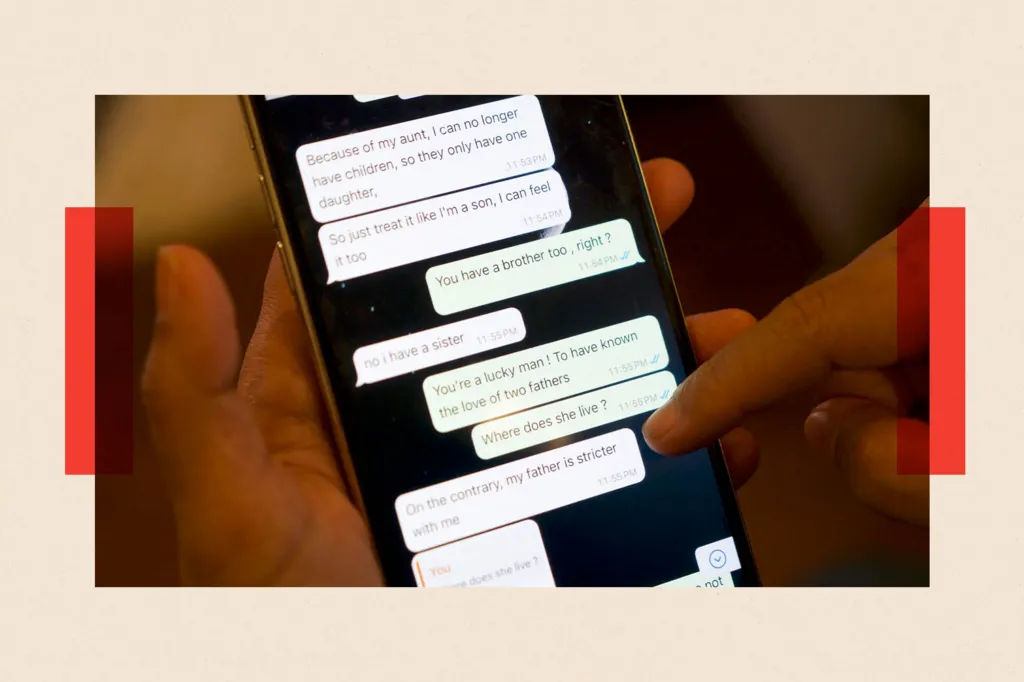
Summary: a woman in her 40s living in North Yorkshire, met a man on a dating website who said he was an English businessman working in Turkey.
He shared a picture that he claimed was of himself showing his chiselled abs on the beach and claimed to be financially secure. He even used a banking website to persuade her he had $600,000 (£443,600) in savings.
But after two weeks of chatting, he said he'd been mugged and his phone and computer had been stolen, and he asked her to buy him a phone and to pay some bills for him with her money. What happened next perfectly illustrates the international web that scammers weave.
Kirsty bought a phone in the UK and posted it to a block of flats in northern Cyprus, where the man told her he was visiting for work, and bit by bit over a period of two months she transferred £80,000 from her bank account. She'd borrowed £50,000 of it from her family, in the belief the man she loved was in trouble. All on his promise he'd pay her back as soon as he could get back into his bank account.
But in fact the phone ended up in Lagos, Nigeria, and the £80,000 went to people with Nigerian, Romanian and other European names via money transfer services. The man was not British, but Nigerian, using a voice disguiser to deceive his target.
Even the banking website he had shown Kirsty shortly after meeting her turned out to be a very sophisticated fake registered in the US city of Baltimore.
Property
How to Spot and Avoid Rental Scams
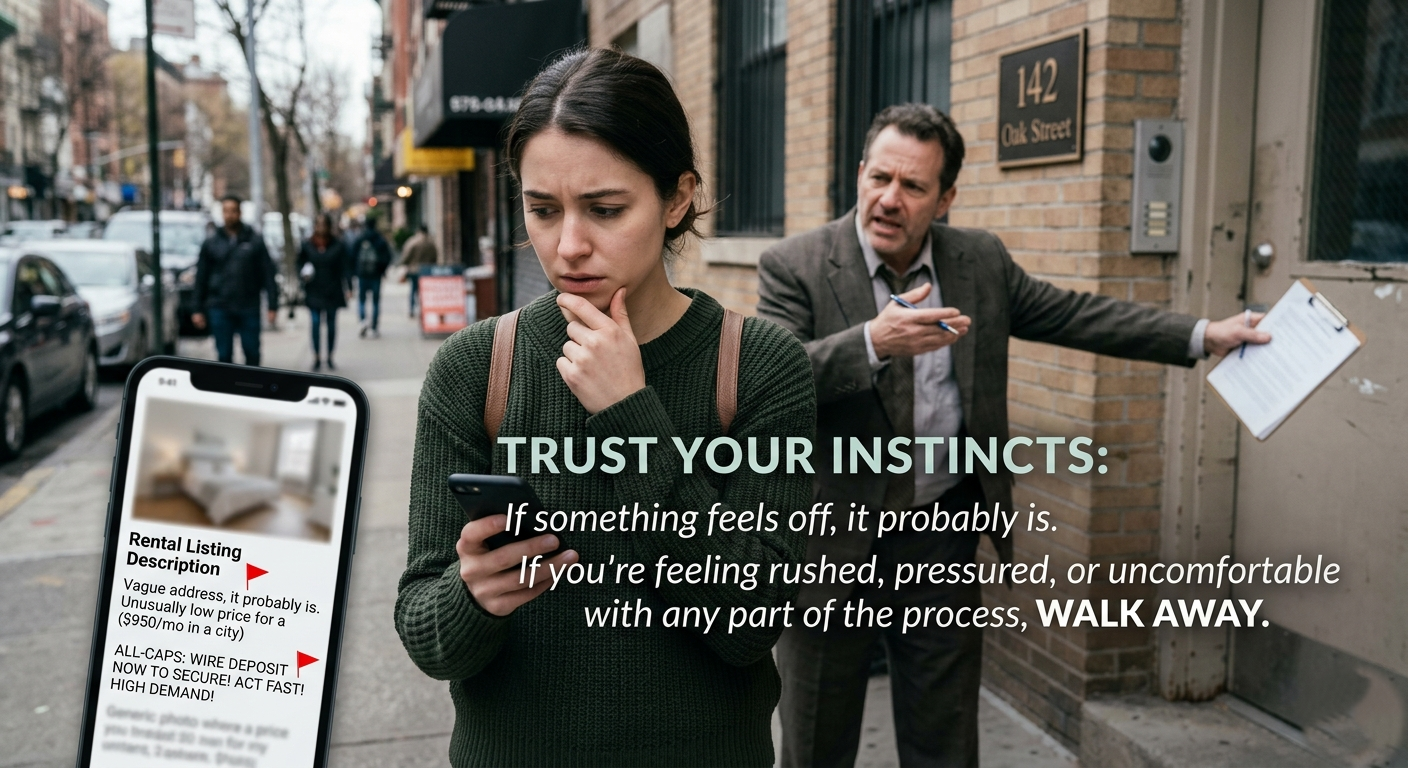
Summary: Trust Your Instincts: If something feels off, it probably is. If you're feeling rushed, pressured, or uncomfortable with any part of the process, walk away
Verify the Property and the Owner: Always research the property and verify ownership through public records or a real estate website. If possible, visit the property in person to ensure it matches the listing description.
Be Skeptical of Low Prices: If the rent seems too good to be true compared to similar properties in the area, it probably is. Low prices are a common tactic used by scammers to attract victims quickly.
Look for Professionalism in Listings: Poor grammar, excessive capitalization, and overly urgent rental pitches are red flags. Legitimate landlords will typically have well-crafted listings.
Avoid Cash Transactions: Do not pay anything in cash, via wire transfer, or through cryptocurrencies. Legitimate landlords will provide verifiable and secure methods of payment.
Insist on a Lease: Always ask for a lease agreement and review it thoroughly before signing. If the landlord is hesitant to provide a lease or the document appears to be generic or incomplete, proceed with caution.
Be Cautious with Personal Information: Be wary of landlords who request too much personal information online or over the phone. Sharing information should only be done after verifying the landlord’s identity and legitimacy.
Division of Consumer
Rental scams hit home with $65 million in reported losses
.webp)
Summary: Understanding the different types of rental scams can help you identify and avoid them. Common scams include:Fake Listings:Urgency Scams
Understanding the different types of rental scams can help you identify and avoid them. Common scams include:Fake Listings: Scammers create fictitious listings for properties that either don't exist or aren't actually for rent. They often use stolen photos from legitimate listings and offer unrealistically low prices to attract unsuspecting renters.Hijacked Listings: Scammers take down a legitimate rental listing and repost it with their own contact information. This can make it difficult to distinguish between genuine and fraudulent offers.Urgency Scams: Scammers create a sense of urgency, claiming that the property is in high demand and that you need to act quickly to secure it. This pressure can lead individuals to make rash decisions and bypass important safety precautions.Payment Scams: Scammers often request payment using untraceable methods like wire transfers, gift cards, or cryptocurrency. These payment methods offer little to no protection for the buyer, making it difficult to recover lost funds

